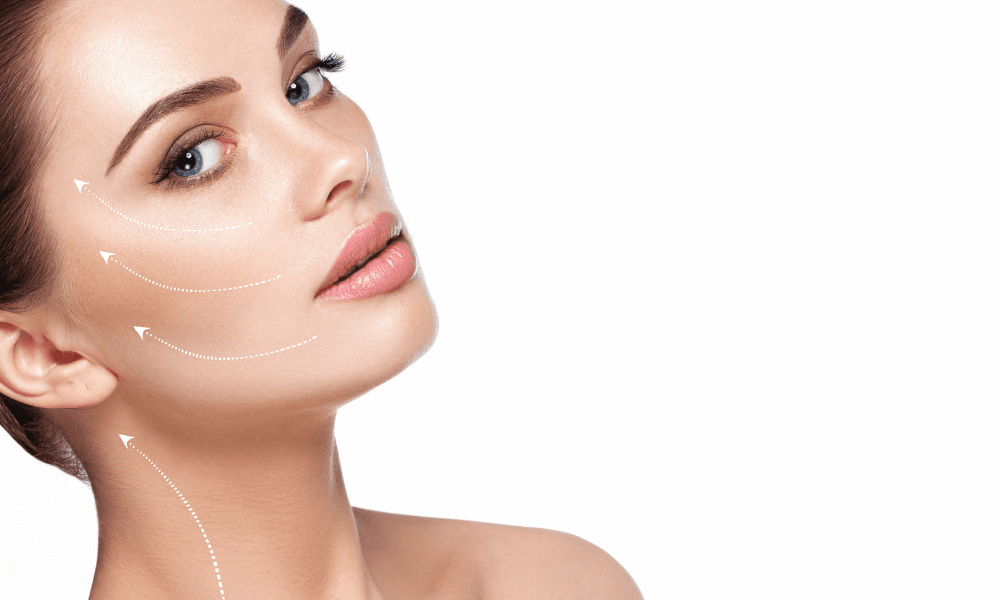
Skin tightening is one of the most common concerns among women as collagen production naturally decreases with age, weight changes, and environmental factors. Sagging skin can appear on the face, neck, abdomen, arms, or thighs, often leading people to search for solutions that are effective but not invasive.
The best treatment for tightening skin depends on the degree of skin laxity, the area being treated, and individual skin quality. In most cases, non-invasive treatments are the first and most recommended option for mild to moderate skin looseness, as they stimulate collagen without surgery or downtime.
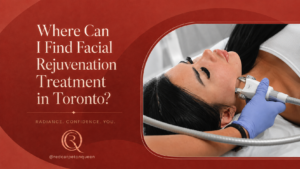
Modern skin tightening treatments focus on collagen and elastin stimulation, which are essential for firm, youthful-looking skin. Technologies such as radiofrequency, ultrasound-based treatments, and advanced non-invasive protocols work by delivering controlled energy into deeper layers of the skin, encouraging natural tightening over time. These treatments help improve skin firmness, texture, and elasticity gradually, producing natural-looking results rather than drastic changes.
At Red Carpet On Queen, located in Toronto at St. Clair & Runnymede, skin tightening treatments are selected based on a personalized assessment rather than a one-size-fits-all approach. Factors such as skin condition, lifestyle, and expectations are considered to determine the most suitable method and treatment plan. This ensures realistic outcomes and avoids unnecessary or ineffective procedures.
While non-invasive treatments can significantly improve skin firmness, it’s important to understand that results are progressive. Skin tightening is not about instant transformation, but about restoring skin strength and elasticity over time in a safe and controlled way. For individuals with more advanced skin laxity, a professional evaluation helps clarify whether non-invasive treatments are sufficient or if other options should be considered.
If you are exploring skin tightening options and want to understand which treatment is best for your skin, booking a professional consultation or speaking directly with a specialist is the most effective first step. A personalized assessment provides clarity, realistic expectations, and guidance on the best path forward.